
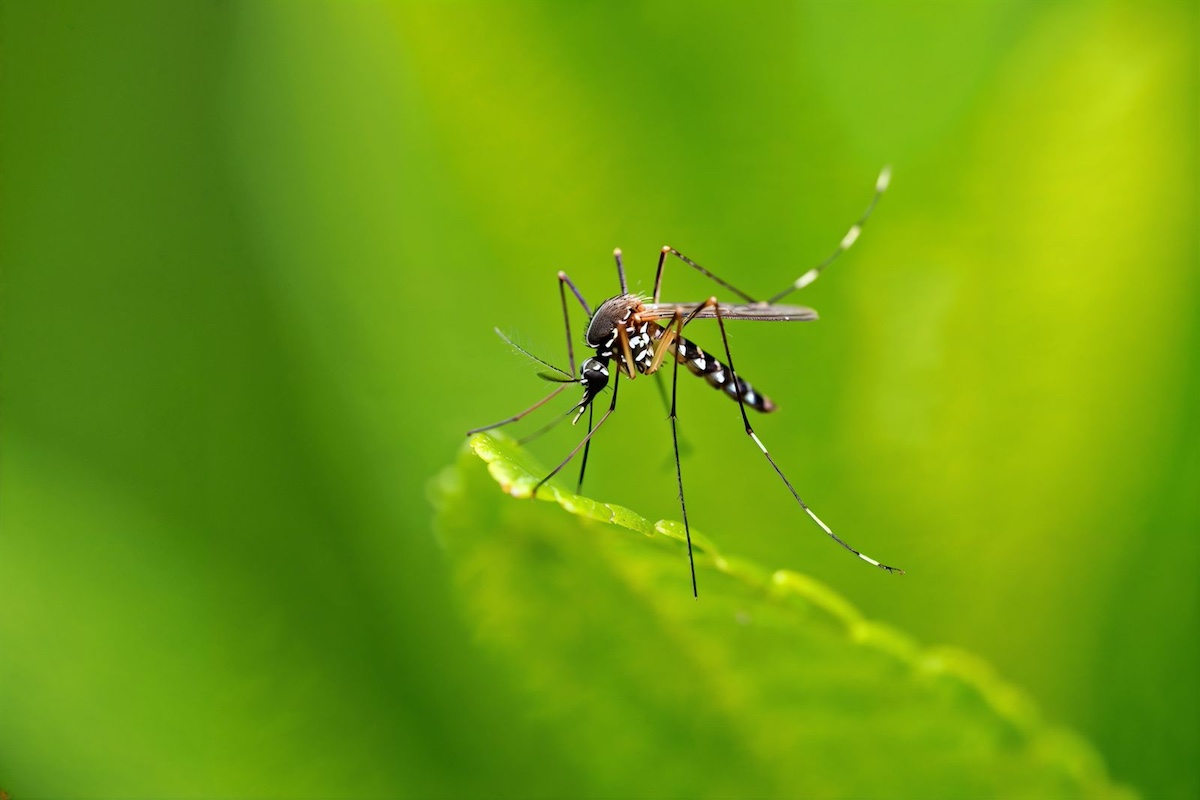
In the Philippines, mosquitoes are simply part of the travel experience. The warm and humid climate is perfect for them, especially in areas close to nature and water. But no worries: with a few simple habits, it’s easy to reduce bites and enjoy your trip stress-free, whether you’re heading to Palawan, El Nido, or anywhere else.
Why are There Mosquitoes in the Philippines?
The Philippines has a tropical climate that stays warm and humid almost all year long, creating ideal conditions for mosquitoes. They mainly breed in places where water is present, such as mangroves, rice fields, forests, and coastal areas.
That’s also why very natural and well-preserved destinations like Palawan or El Nido can feel more exposed. It’s not necessarily a problem, but it’s always better to be prepared, especially if you spend a lot of time outdoors. Aedes mosquitoes, which can carry dengue, are most active early in the morning and late in the afternoon, which often matches the timing of boat trips, tours, and outdoor activities, especially during our a boat expedition in Northern Palawan.
Are Mosquitoes in the Philippines Dangerous?

Like in many tropical countries, some mosquitoes can transmit diseases such as dengue or chikungunya. The Zika virus is also present, but it remains rare among travelers.
These risks exist, but they should not be exaggerated. In most cases, travelers are perfectly fine, especially when they follow basic prevention measures.
Regarding malaria, it is important to know that the risk is very localized. It mainly concerns southern Palawan, in rural and forested areas far from tourist routes. Popular destinations such as El Nido, Port Barton, and Coron are not affected. Malaria cases among travelers are rare, and good bite prevention is usually enough. For personalized advice, consult your doctor or a travel health clinic before departure.
How to Protect Yourself Effectively From Mosquitoes in the Philippines
The best way to avoid bites is simple: prevention. A good repellent is essential throughout your trip, especially if you plan outdoor activities or nature excursions.
The most recommended products are those containing DEET, picaridin, or IR3535. It is best to apply them on exposed skin, especially late afternoon, in the evening, and before any excursion. This becomes even more important during the rainy season or during trips like a 3D2N boat expedition. Clothing also makes a big difference. Wearing light but covering clothes, such as loose trousers and a long-sleeve top, helps reduce exposure while staying comfortable in tropical heat. Light-colored clothing is often recommended, especially in areas like Palawan or El Nido.
Finally, choosing the right accommodation can really help. Staying in places with mosquito nets, fans, or air conditioning greatly reduces mosquito presence, especially at night.
What to do if You Get Mosquito Bites in the Philippines

If you get bitten, it’s usually nothing serious. The best thing to do is to clean the area with soap and water, then apply a soothing cream to reduce itching. Try to avoid scratching, as it can lead to irritation or infection. Most bites disappear quickly. However, if you experience persistent fever, unusual pain, or symptoms that feel abnormal, it’s safer to seek medical advice.
FAQ: Mosquitoes in the Philippines
• Do I Need Vaccines Before Traveling to the Philippines?
There are no mandatory vaccines specifically related to mosquitoes in the Philippines. The most important thing is to make sure your routine vaccinations are up to date. If you are traveling for a long time or visiting very rural areas, it can be helpful to get medical advice before departure.
• Are Mosquitoes Worse During the Rainy Season?
Yes, mosquito activity is generally higher during the rainy season, usually between June and October. This should not stop you from traveling, but it’s important to be more consistent with repellent use and protective clothing.
• Who is More at Risk?
Pregnant women, young children, and immunocompromised travelers should be more cautious. With proper protection, traveling remains safe, but extra prevention is recommended, especially in remote areas.
Traveling Safely Despite Mosquitoes
Mosquitoes are part of traveling in a tropical country like the Philippines, but they should never stop you from exploring. With a good repellent, the right clothing, and well-equipped accommodation, the risks remain well controlled.
Whether you are traveling to Palawan, El Nido, or joining a 3D2N expedition, a few simple habits are enough to enjoy your trip with complete peace of mind.