
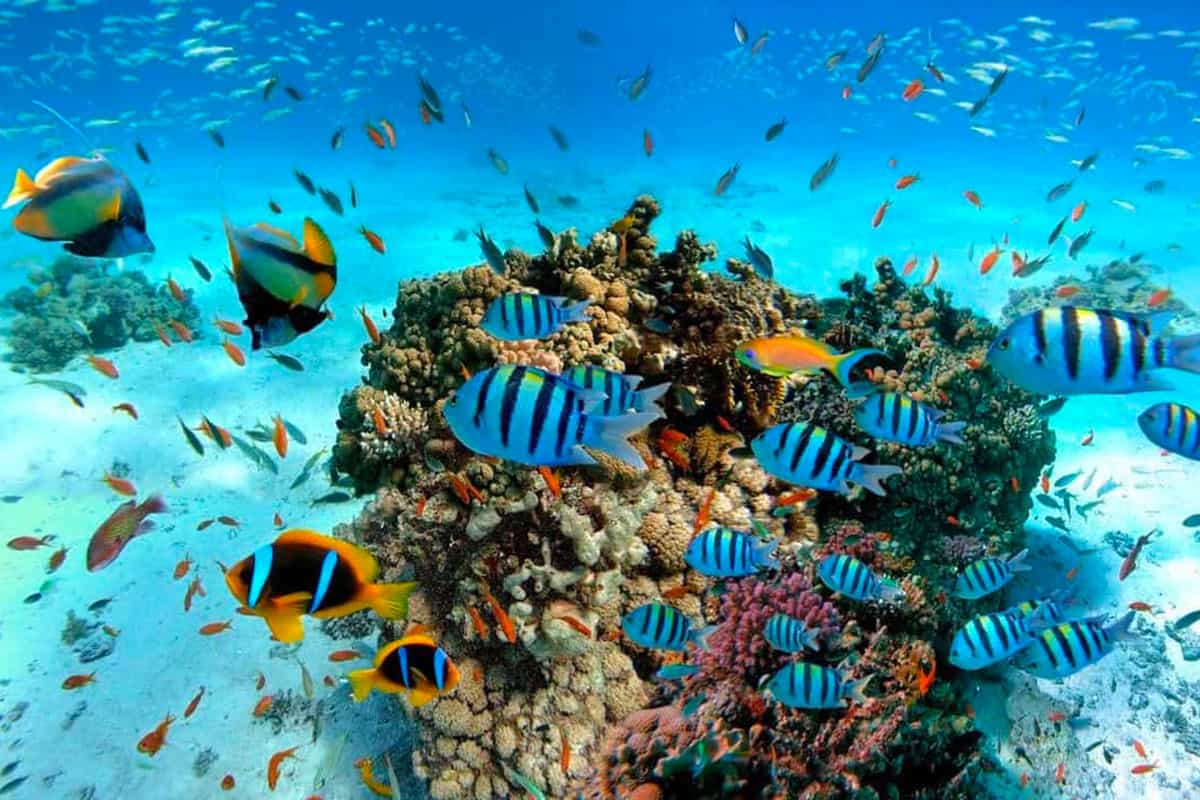
Around El Nido and across the islands that lead toward Coron, you don’t need a tank and a dive licence to meet the reef. Put your face in the water a few metres off the boat and the show starts: anemones twitching with clownfish, a parrotfish crunching coral somewhere to your left, a school of surgeonfish sliding past like they’re late for something. The water here holds more than 800 fish species, the reefs sit shallow enough to snorkel in comfort, and the sea stays around 28–30°C all year.
This is a field guide to snorkeling in Palawan, not a brochure. We’ll walk you through the fish you’ll almost certainly see, the few you should give space to, where the snorkeling is genuinely good, and how to read the water so you actually enjoy it. One thing worth knowing up front: the reef rewards people who slow down.
The reef fish you’ll meet on almost every snorkel
Some species turn up so reliably that not seeing them would be the surprise. These are the ones you’ll meet first.
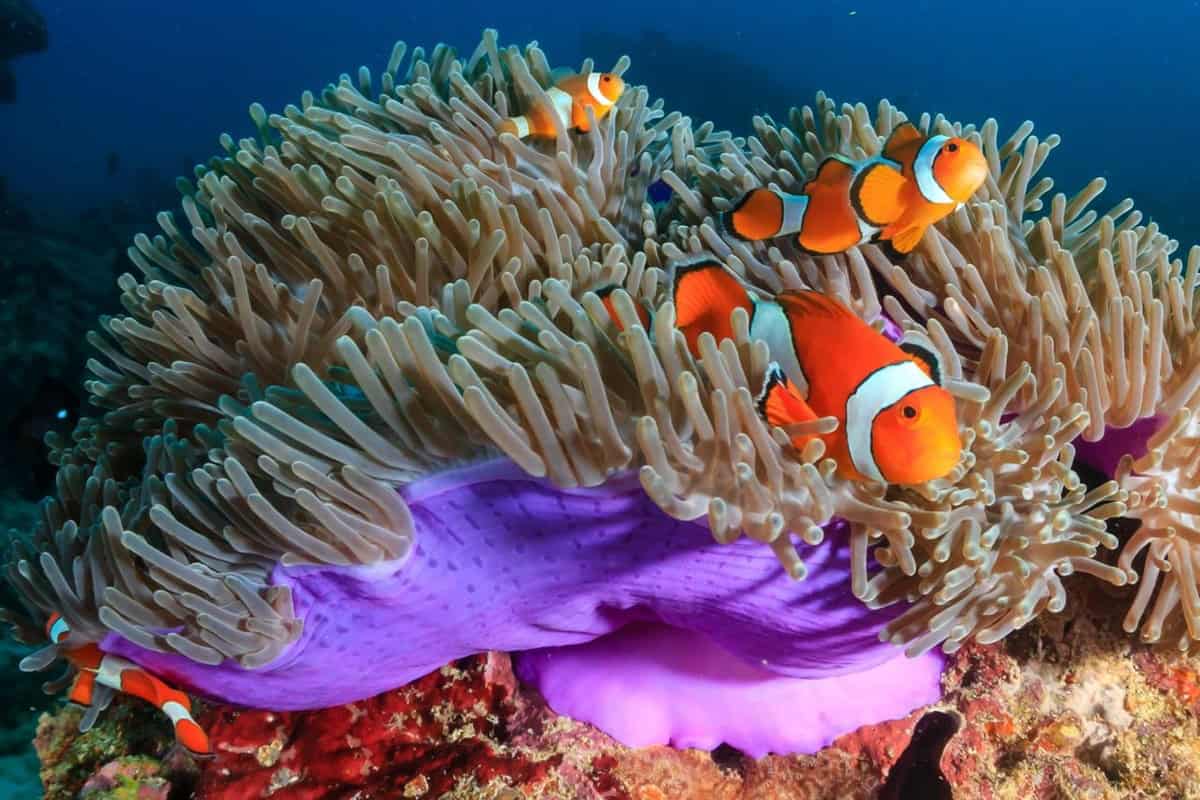
Clownfish
That’s Nemo, the ocellaris clownfish, often sharing the reef with its darker maroon cousin the spinecheek. It almost never leaves its anemone, because the two depend on each other: the anemone’s stinging tentacles shelter the fish, and the fish chases off polyp-nibblers and keeps the water moving around its host. Hover a metre back and one will usually pop out to size you up. Don’t reach for it. A hand on the anemone stresses both animals, and the clownfish will only retreat.
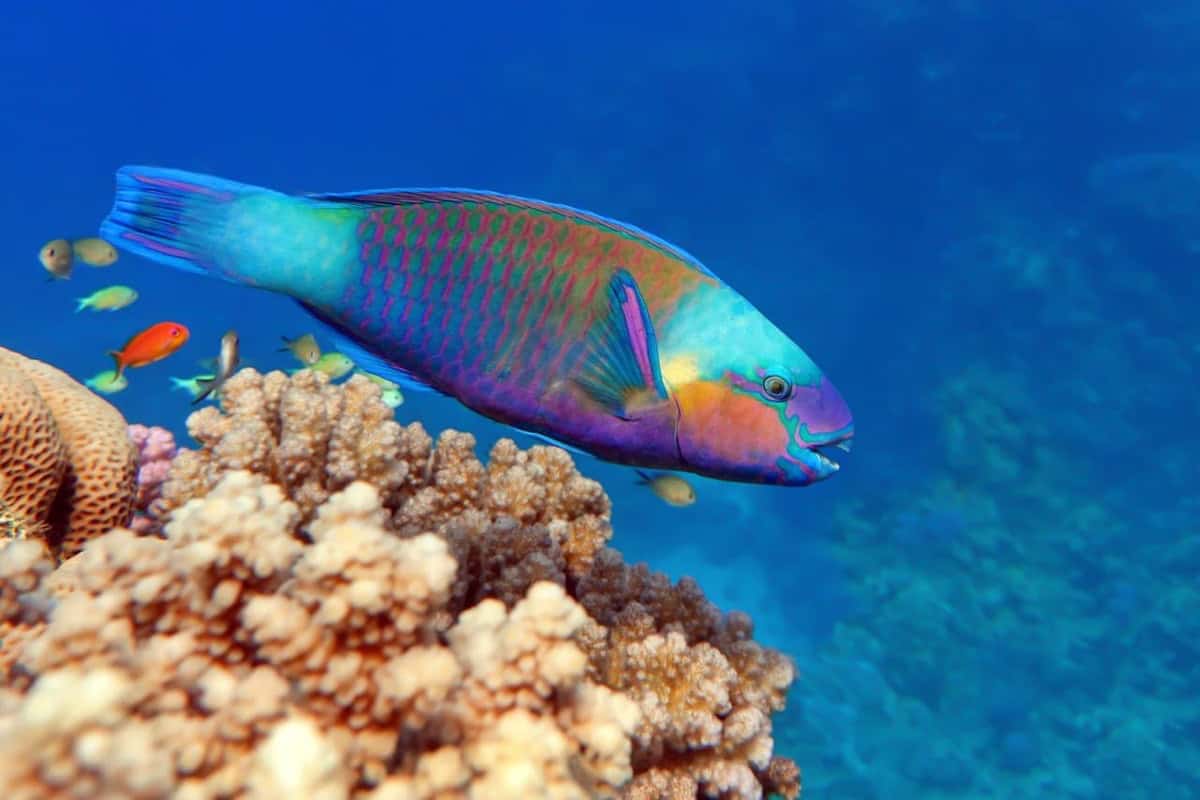
Parrotfish
Listen before you look. That crunching sound underwater is a parrotfish scraping algae off the rock with a beak made of fused teeth. Here’s the part most guides leave out: it grinds down the coral it eats and passes it as fine white sand. One large parrotfish can produce well over a hundred kilos of sand a year, so a fair share of the beach you walked across this morning came out the back end of a fish.
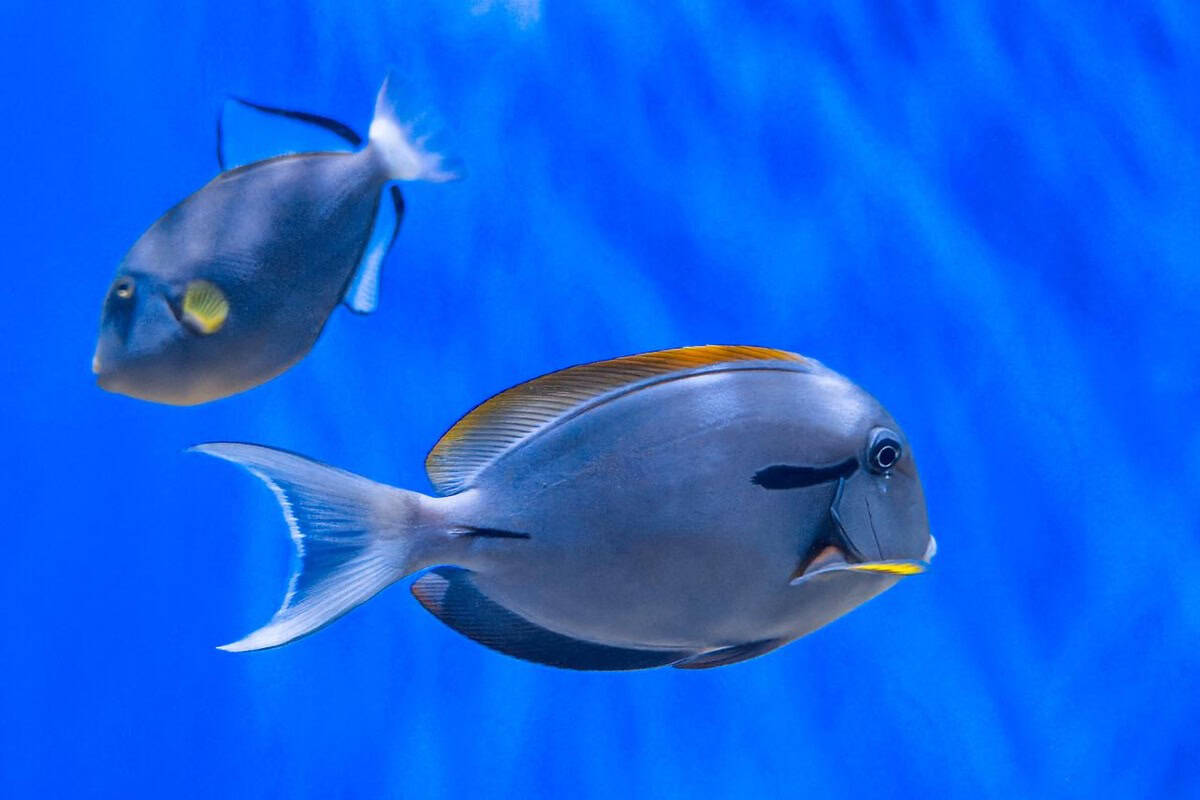
Surgeonfish and tangs
Slim, oval, often steel-blue, usually grazing the same patch of reef in a loose group. The name comes from a small, scalpel-sharp spine at the base of the tail. It’s defensive rather than aggressive, but it’s a good reminder that “harmless” still means wild. The blue tang, yes the Dory one, belongs to this family.
Butterflyfish and bannerfish
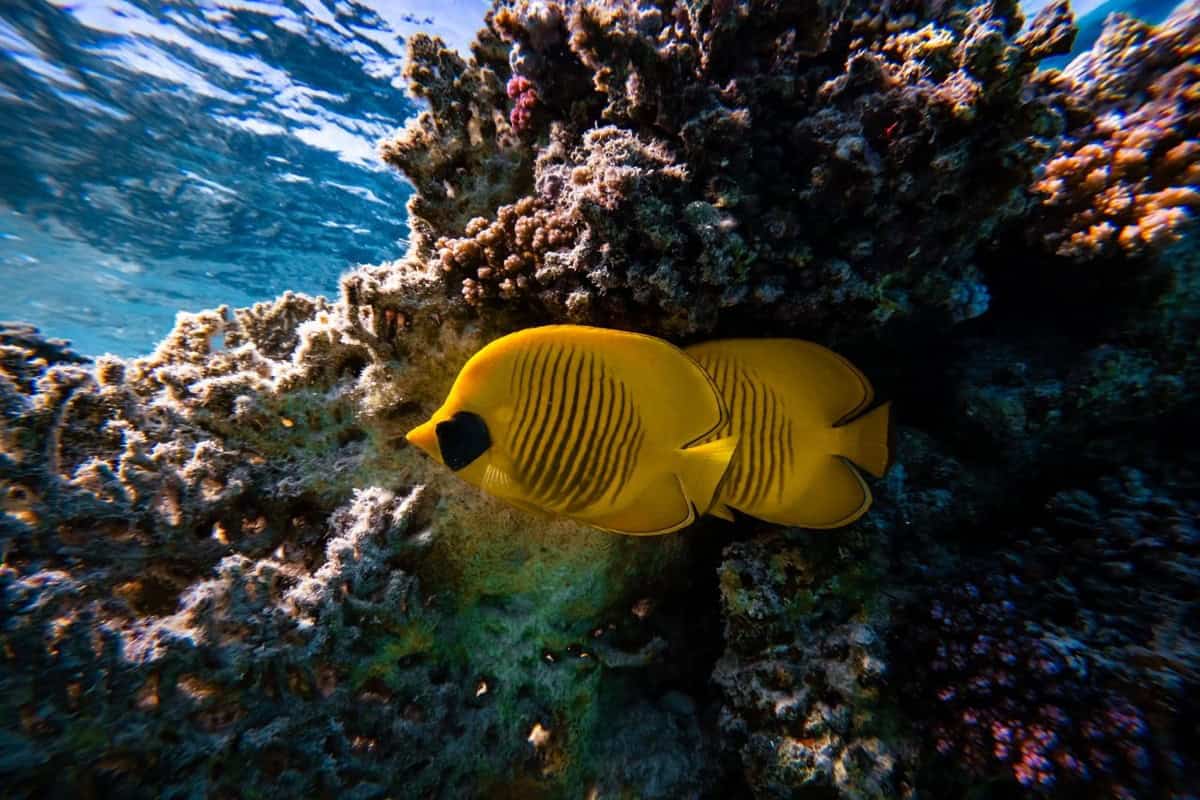
Thin, disc-shaped, painted like stained glass, and often moving in pairs. Many butterflyfish mate for life and patrol a stretch of reef together, which is why you tend to find them where the coral is healthiest. Their long-finned look-alike, the bannerfish, drifts close by and gets mistaken for the Moorish idol on just about every trip.
Damselfish and sergeant majors
The little ones that are everywhere. Sergeant majors, yellow with black bars, and the assorted damselfish around them are probably the most abundant fish you’ll see all day. A few are feistier than their size suggests. A damselfish guarding its scrap of algae will square up to a snorkeler ten times its length, fins flared, completely unbothered by the odds. Let it win. It really isn’t personal.
Sea turtles, and the rest of the cast
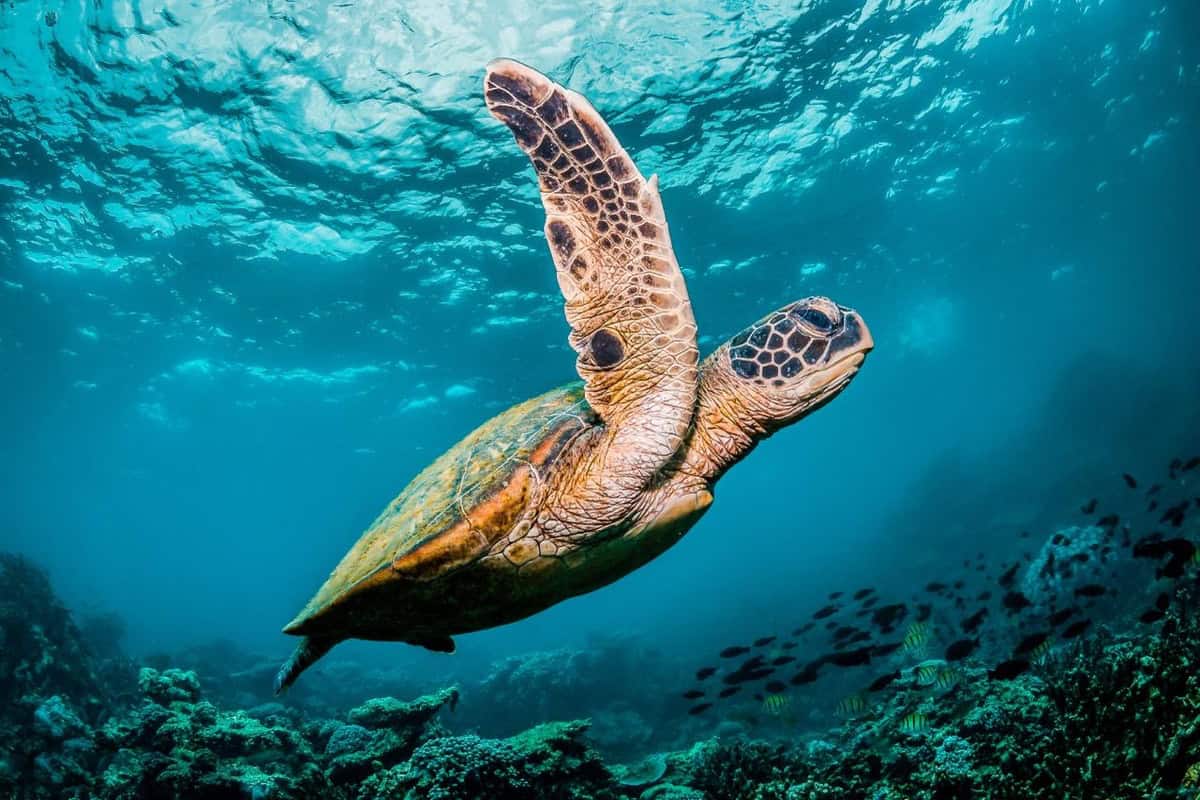
A green or hawksbill turtle grazing on seagrass is, for most people, the moment of the whole trip. Watch it and photograph it, but never chase or touch it. Turtles breathe air, and getting between one and the surface is genuinely dangerous for the animal. Around the same reefs you’ll find blue sea stars resting on the sand, giant clams with electric-blue lips, the occasional reef squid, and, when the visibility is good, fusiliers and anthias hanging over the drop-off in shimmering clouds.
Where the snorkeling is actually good
El Nido has 800-plus fish species on paper. In practice, where you put your mask is what decides your day. A few reliable spots:
Around El Nido, within day-trip range:
- Shimizu Island — plenty of fish in a short swim, lively reef, a staple of Tour A.
- Secret Lagoon — calm, shallow, with fish that come right up to you. The gentle option for a first time.
- Seven Commandos Beach — easy entry straight off the sand, good for finding your confidence.
- Matinloc and Dilumacad (Helicopter) Island — coral with clownfish, parrotfish and a real chance of turtles. If you only do one day tour for the marine life, make it Tour C.
Out on the El Nido–Coron route, where we spend most of our time:
The reefs people come back raving about are usually the ones a half-day boat can’t reach. Between El Nido and Coron sits Linapacan, ringed by water so clear you forget how deep you are, with reefs that see a fraction of the traffic El Nido’s lagoons get. This whole stretch, Linapacan and the scatter of small islands around it, plus the quiet bays you anchor in for the night, is the snorkeling most visitors never reach. It’s also exactly the water our expeditions cross, which is the honest reason this guide leans the way it does.
The handful of fish to treat with respect
Most of what you’ll meet is harmless and far more wary of you than you are of it. A short list deserves a bit of caution and some distance, so it’s worth knowing them on sight.
Lionfish
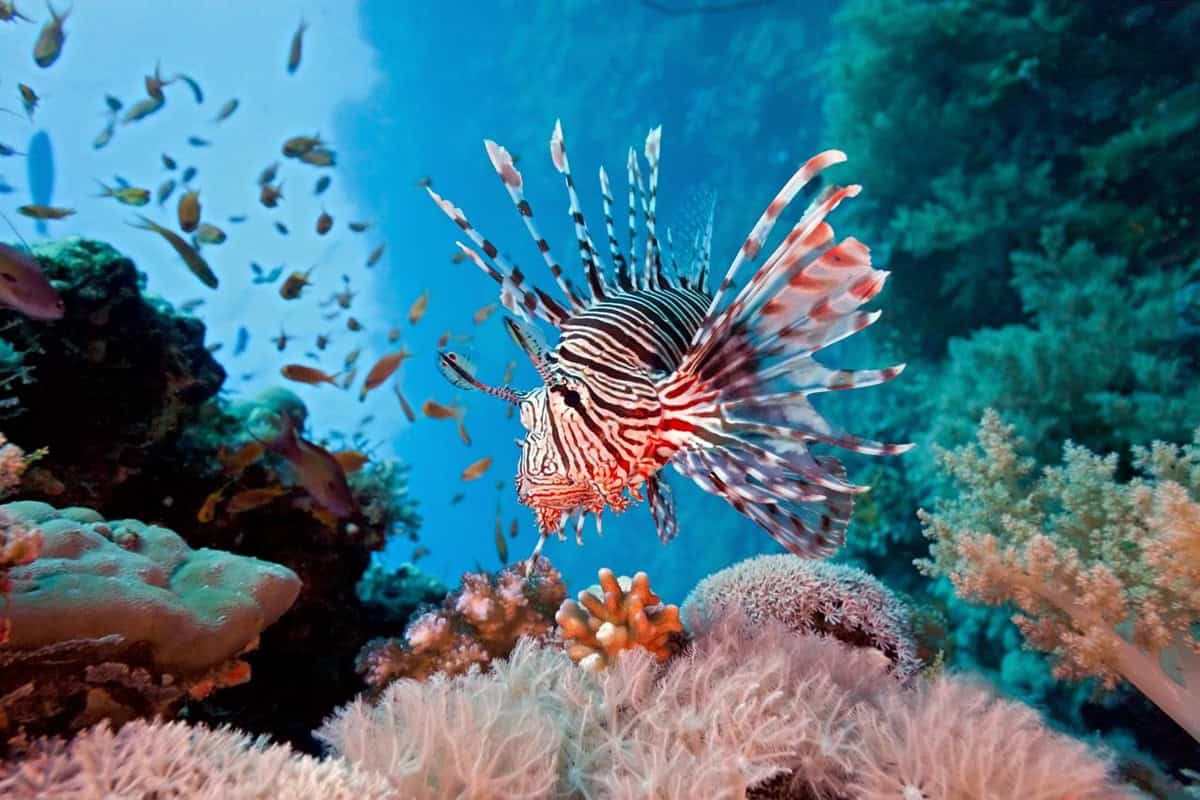
Striking and unmistakable: maroon-and-white bands, fins fanned out like a feather duster. Those fins hide venomous spines, and a sting will throb for hours. The good news is that lionfish are slow and largely indifferent to you, so this one is easy. Look, take the photo, and don’t crowd it against a wall where it feels cornered.
Stonefish
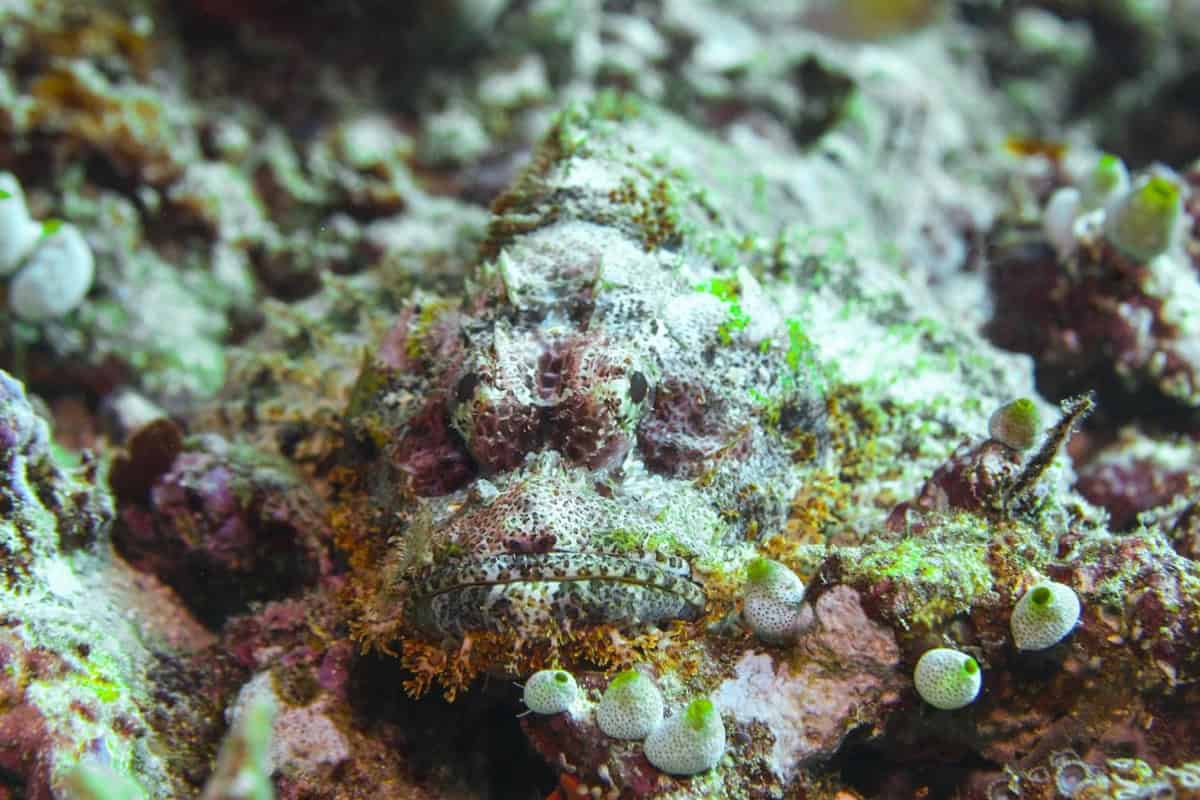
The one to genuinely watch for, mostly because you won’t. The most venomous fish in the sea sits dead still on the bottom, looking exactly like an algae-covered rock. The risk isn’t a fish swimming at you; it’s your foot coming down on one in the shallows. First aid is specific: get the wound into hot water, as hot as you can stand without scalding (roughly 45°C), which breaks down the venom, then get to a clinic. The way to avoid all of that is simple. Don’t stand on the reef.
Triggerfish
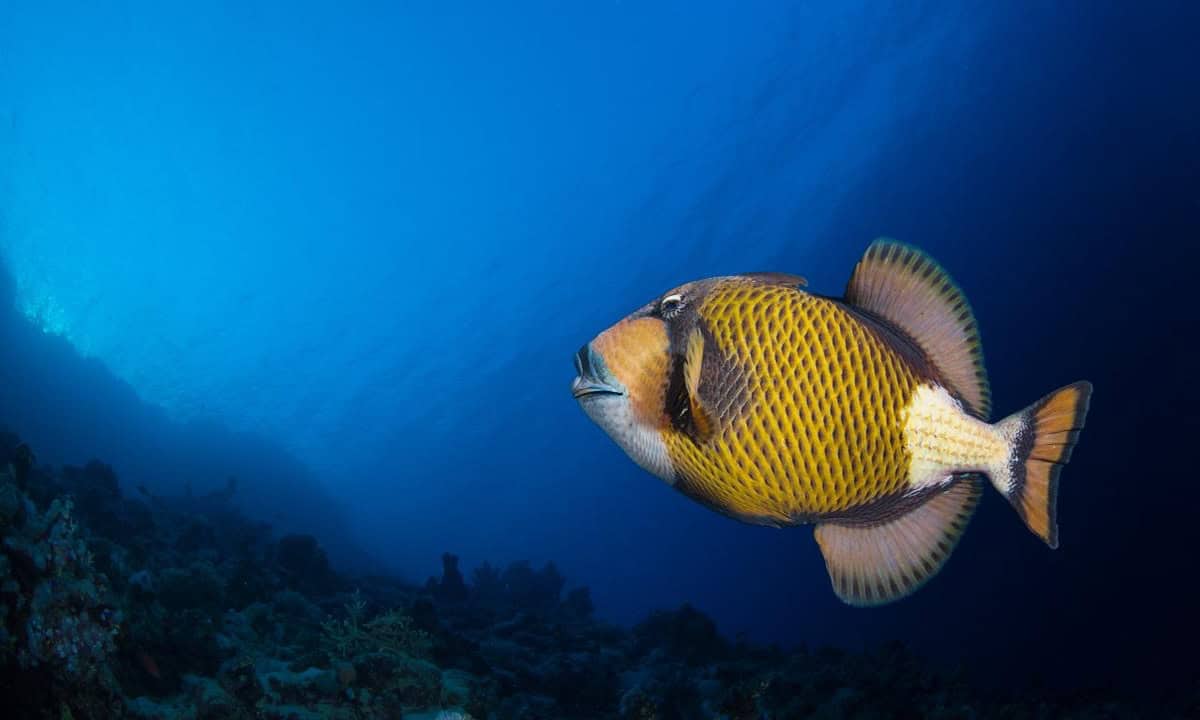
The titan triggerfish is the reason a few snorkelers come home with a story. Most of the year it’s just a big, curious, slightly grumpy fish. During breeding season, roughly March to June, a female guards a cone-shaped territory above her nest and defends it hard, and those teeth crack coral and shells without much effort. Here’s the bit people get wrong in the moment: her territory widens as it rises toward the surface, so swimming up and away actually pushes you deeper into it. Swim flat and sideways, away from the nest. Whatever you do, don’t fin straight up.
Jellyfish
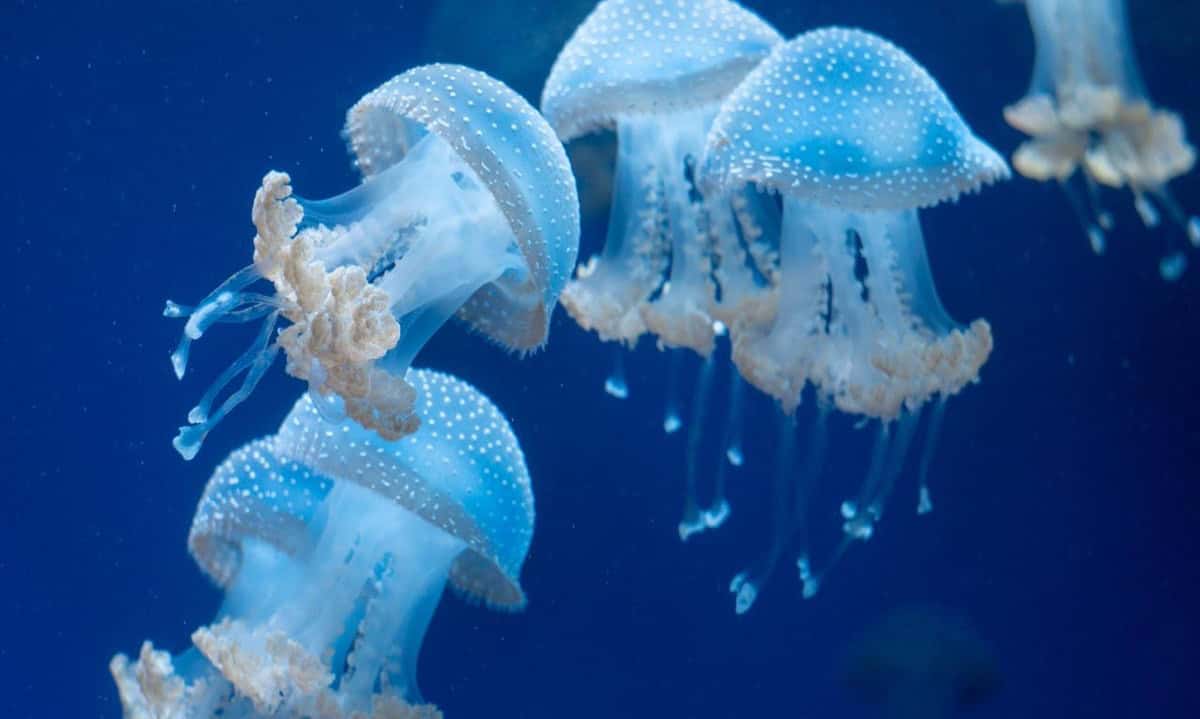
Most jellies in Palawan’s warm water are harmless, and you’ll drift past plenty without a mark. A few sting, and box jellyfish, though rare, are the ones to take seriously. The habits that keep you safe are small ones: glance at the surface before you jump in, wear a rashguard since it covers most of the skin a tentacle would catch, and tell your guide straight away if something stings you so it gets treated properly.
When to go for clear water and full reefs
Palawan’s dry season runs from about late November to May. That’s when the sea is calmest, visibility is at its best (15 to 30 metres on the outer reefs on a good day), and the boats run their fullest schedules. Water temperature barely moves all year, sitting at 28 to 30°C, so a rashguard is there for sun and stingers, not for warmth.
One caveat worth knowing: clear water and “lots of fish” aren’t always the same day. A plankton bloom can drop the visibility and, at the same time, pull in more feeding fish. The reef is wild, not an aquarium. Some swims are quiet and then the next bay erupts with life. Over a few days on the water you stop keeping score, because you get plenty of both.
Snorkel the reef without wrecking it
These reefs are still healthy largely because most visitors leave them alone. A few habits keep it that way:
- Don’t touch anything — fish, coral, clams or turtles. One hand on coral can undo years of growth, and most snorkeling injuries come from grabbing something you shouldn’t have.
- Mind your fins. Kick up and out rather than down. A careless downward kick snaps coral and stirs up sand that settles back and smothers it.
- Wear reef-safe sunscreen, or skip it and cover up with a rashguard. Oxybenzone rinses off your skin and bleaches coral.
- Keep your distance and follow your guide. They know which reef is fragile and which bay the turtles favour.
How we snorkel these reefs
Plenty of people snorkel El Nido on a day boat and have a brilliant time. But if you want the reefs in that quote above, Linapacan and the islands strung out between El Nido and Coron, you have to be out there overnight. That’s the whole reason our trips exist. Our 3-day El Nido to Coron expedition follows the reefs the day-trippers can’t get to: you snorkel clear water with a team leader who knows where the turtles graze, sleep on beaches with no road to them, and cover the whole route at boat pace instead of racing back by sunset.
Travelling the other way, or after something more private? We also run the Coron to El Nido expedition and private charters for couples, families and small groups who’d rather have the boat to themselves. You can compare the routes on our El Nido vs Coron guide if you’re still deciding which end to start from.
Snorkeling in Palawan: quick answers
Do I need to know how to swim to snorkel in Palawan?
It helps to be comfortable in water, but you don’t need to be a strong swimmer. A life vest or flotation belt is standard on our boats, and the calmest spots, like Secret Lagoon and the sheltered bays, are forgiving for first-timers. Tell your guide if you’re nervous. That’s exactly what they’re there for.
What’s the best snorkeling tour in El Nido for fish?
Of the standard day tours, Tour C has the best mix of coral, fish and a turtle chance. For the richest and least crowded reefs, though, the El Nido–Coron expedition route around Linapacan is in another league.
Will I see clownfish and turtles?
Clownfish, almost certainly. Anemones are everywhere along these reefs and so are their tenants. Turtles are likely but never a guarantee, because they’re wild animals doing their own thing. Spread over a multi-day trip, your odds climb a lot.
Is snorkeling in Palawan dangerous?
Not really. Stay off the bottom, keep a respectful distance from the few species above, glance at the surface for jellies, and listen to your guide. Nearly every incident traces back to touching or standing on something.
What should I bring?
A rashguard, reef-safe sunscreen, and your own mask if you’re fussy about fit. We provide the gear, but a mask you’ve already tested never floods at the wrong moment. Our El Nido packing checklist covers the rest.
The reef doesn’t perform on cue. Give it a slow morning, keep your hands to yourself, and Palawan’s water will show you more than any list can: clownfish bickering in their anemone, a turtle that ignores you completely, the first parrotfish you hear before you ever see it. Come and find out which one decides to say hello.